

Roman Chamomile
£4.00
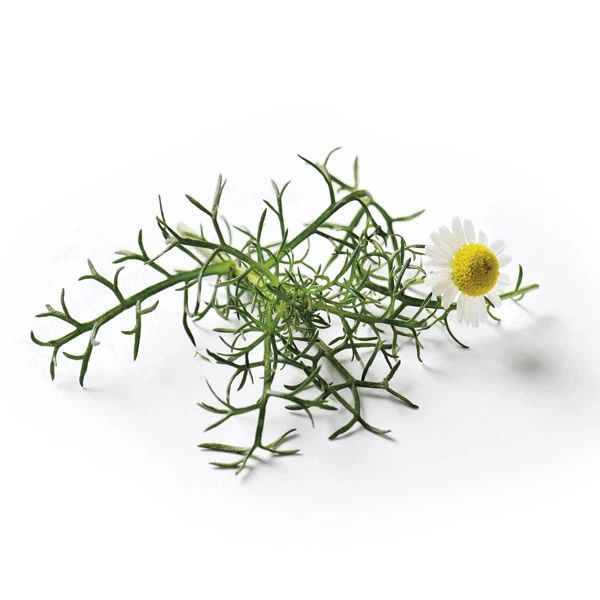
Roman Chamomile is a perennial, small and creeping plant with daisy-like flowers. Commonly used to make herbal infusions for medicinal uses, the plant has a wonderful, sweet, fruity scent.
While it is probably the most popular and well-known therapeutic plant, chamomile is also a popular ingredient in a number of magical rituals. When it comes to deities, chamomile is linked to Cernunnos, Ra, Helios, and other sun gods.
At the same time, the Vikings had a more practical use for chamomile, adding it to their hair shampoos to aid in the lightening of blond hair.
In a number of folk magic traditions, particularly those of the American south, chamomile is known as a lucky flower; if you’re a gambler, washing your hands in chamomile tea will ensure good luck at the gaming tables.
| Common name | Chamomile |
|---|---|
| Latin name | Anthemis nobilis |
| Variety | Roman |
| Quantity | 700 seeds |
| Plant size | Height: 30 cm Width: 20 cm |
| Container size | Height: 30 cm Width: 30 cm |
| Companion plant(s) | Cucumbers, bunching onions, basil, lavender |
| Planting outdoors | Apr to Jun Sep to Oct |
|---|---|
| Germination | 10 to 15 days |
| Harvesting | 40 to 60 days |
| Planting | 3 cm to 5 cm at 0.5 cm depth |
| Thinning | 10 cm to 20 cm |
| Light | Full sun to partial shade |
| Soil | Well-drained, light and moist soil |
| Watering | Regular watering, allow to dry out |
| Feeding | Not required |
| Caring | Roman Chamomile is resistant to drought and can survive for some time without water. This makes it a plant that has good ground cover if kept short and is ideal for use as a lawn substitute. |
| Beneficial wildlife | Attracts bees and butterflies. |
| Pests | Promotes the health of nearby plants |
| Harvesting | Pick the flowers when in full bloom, early in the morning. Dry in a warm, dry, well-ventilated area, turn and shake regularly. Chamomile should be dry in around four days |
|---|---|
| Eating | Medicinal properties: Chamomile tea has so many health virtues, making it an ideal family remedy. How to eat: It is commonly known that chamomile is used to make herbal tea, yet its flowers are also edible. It makes a lovely addition to cakes, biscuits and puddings since its flavour lends a natural, gentle sweetness and pleasant floral notes to any dessert. It can also bring an element of acidity and herbal flavour to help you create a savoury meal—if you are willing to stretch your culinary skills using this unique ingredient! |
Out of stock